
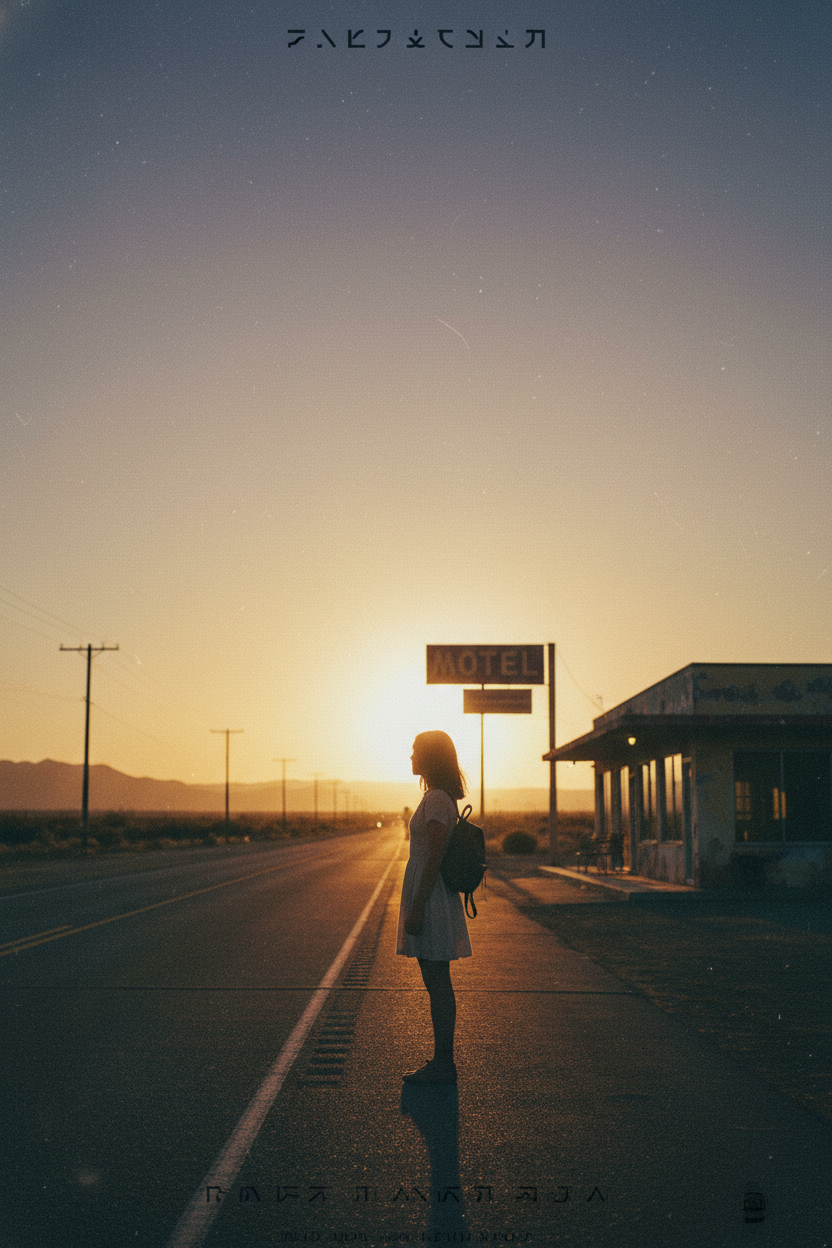
Indie Movie Poster
Quiet towns, lonely roads, fading summers, intimate conversations, and character-driven stories with cinematic emotion.
Turn ideas, scenes, characters, and fictional stories into cinematic movie posters with AI.
Transform ideas and references into poster-ready visuals
Generated poster previews will appear here.
Enter your prompt to start a poster concept
Explore poster ideas by story type, project need, and creative workflow, from short films to fictional worlds.
Quiet towns, lonely roads, fading summers, intimate conversations, and character-driven stories with cinematic emotion.
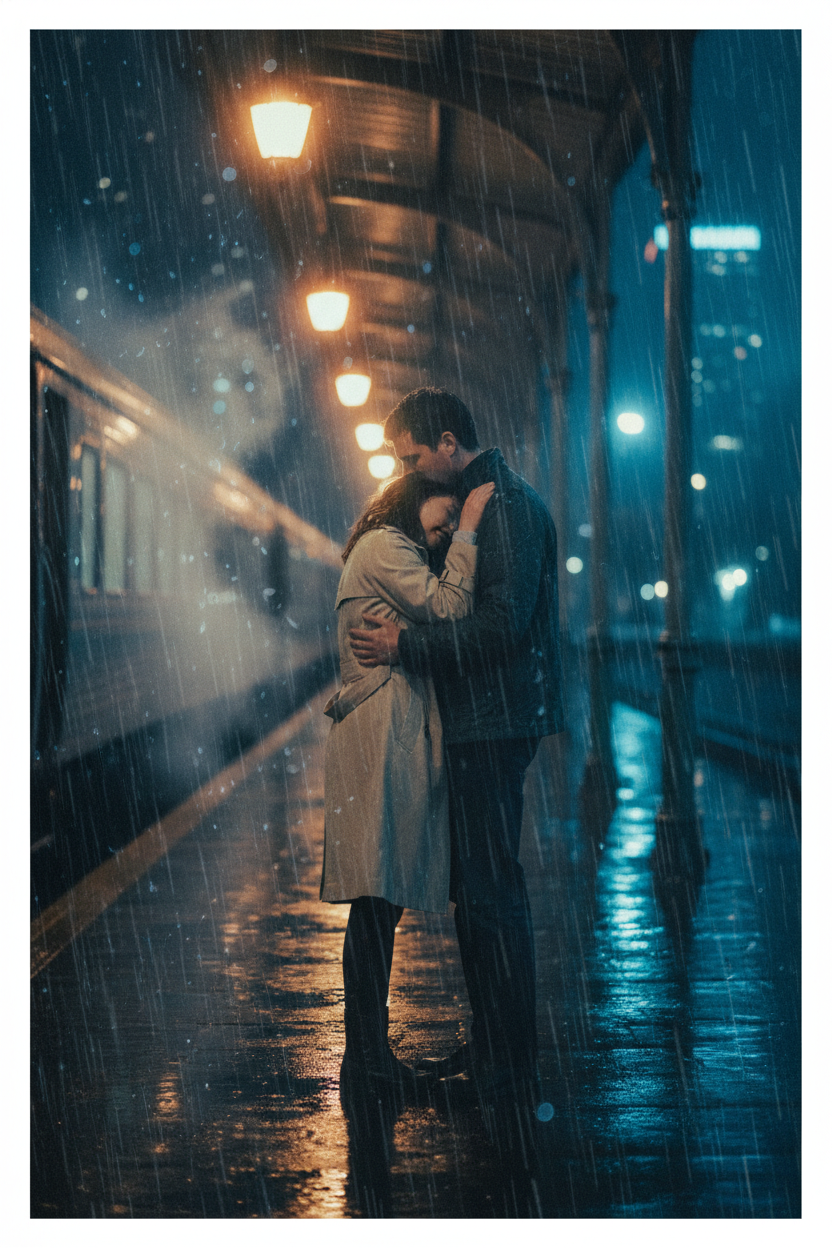
Soft lighting, emotional moments, late-night trains, seaside sunsets, and stories about connection, memory, and love.
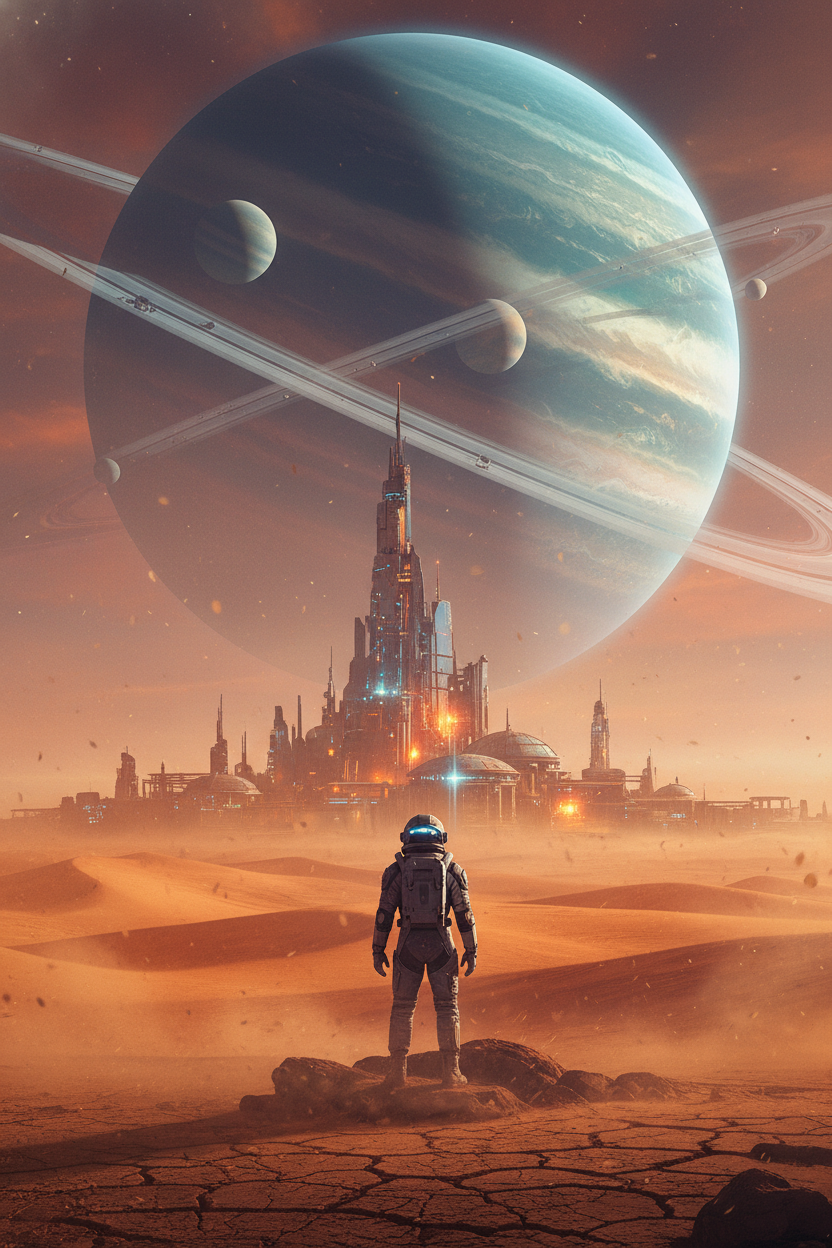
Distant planets, neon cities, forgotten spacecraft, futuristic worlds, and cinematic journeys into the unknown.
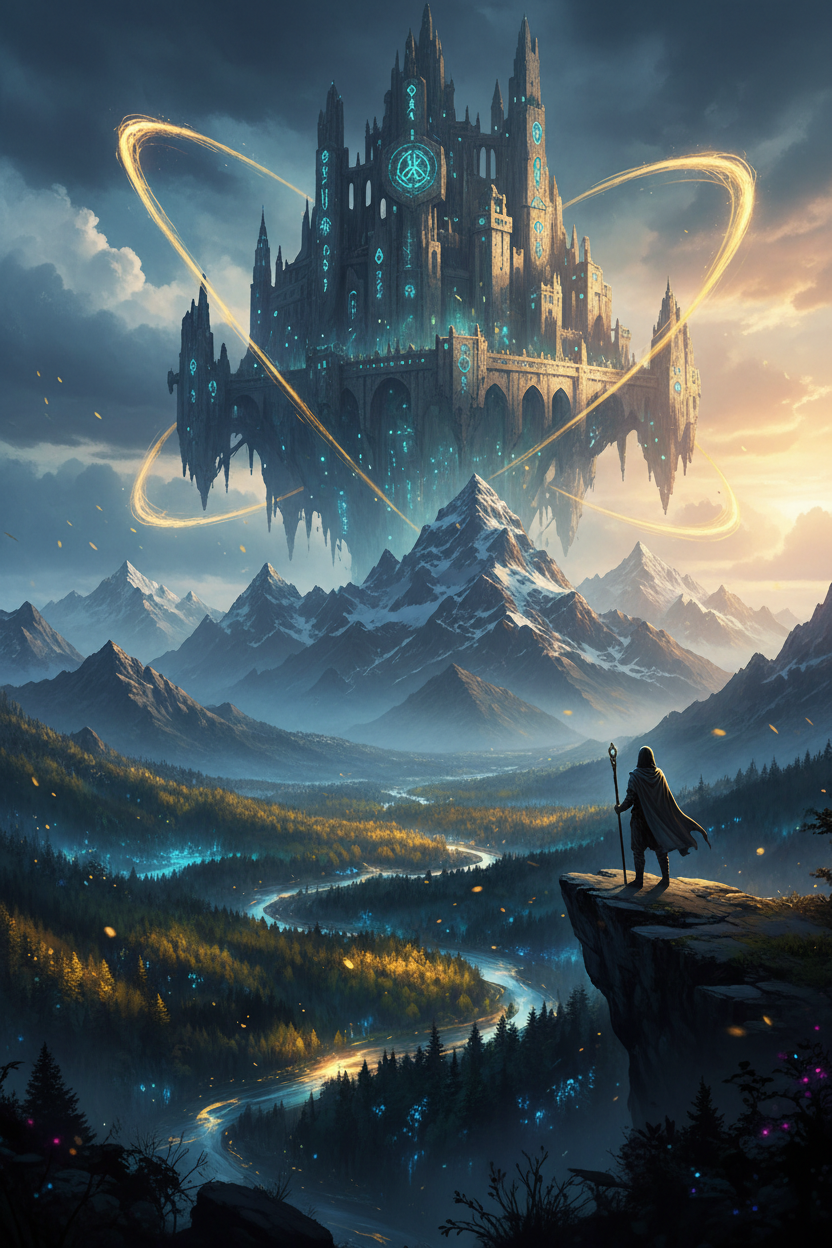
Ancient kingdoms, floating castles, magical forests, legendary heroes, and worlds filled with wonder and mystery.
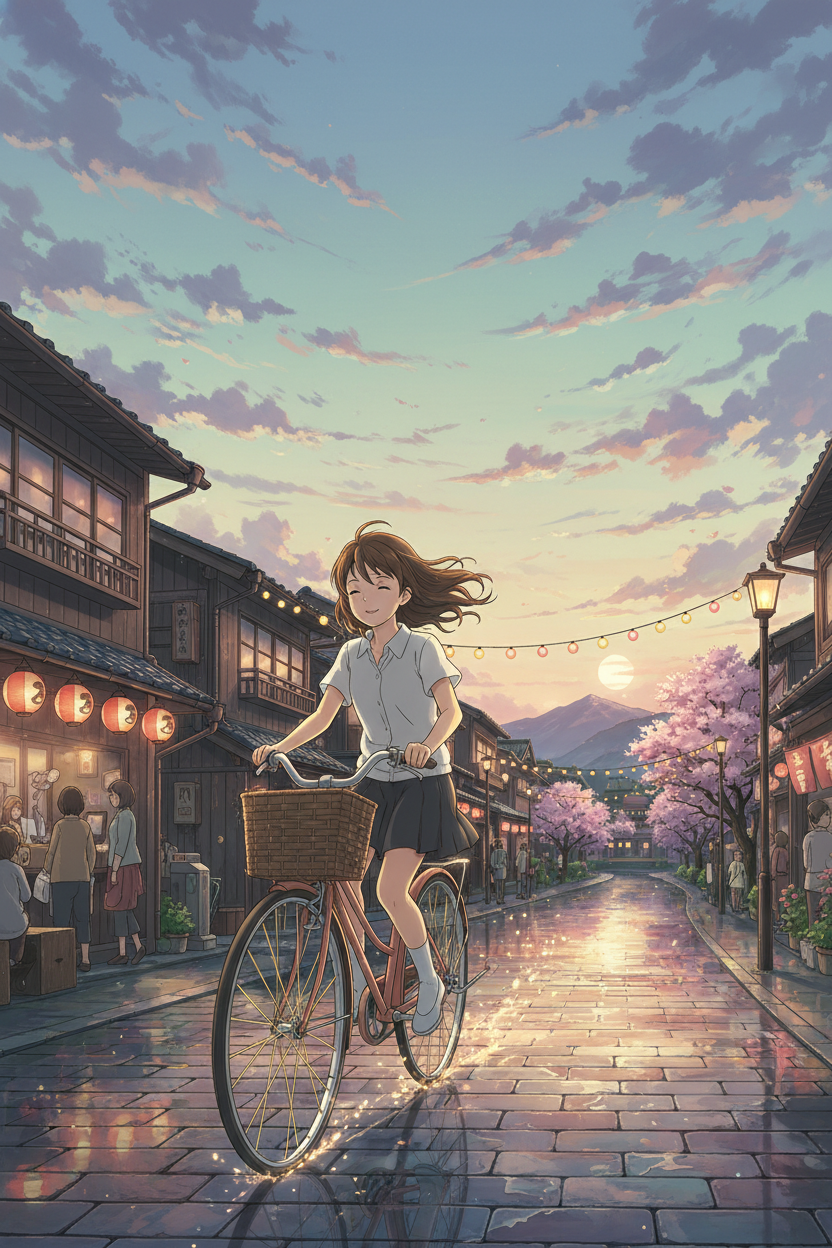
Stylized characters, vibrant colors, emotional adventures, dreamlike scenes, and cinematic anime-inspired storytelling.
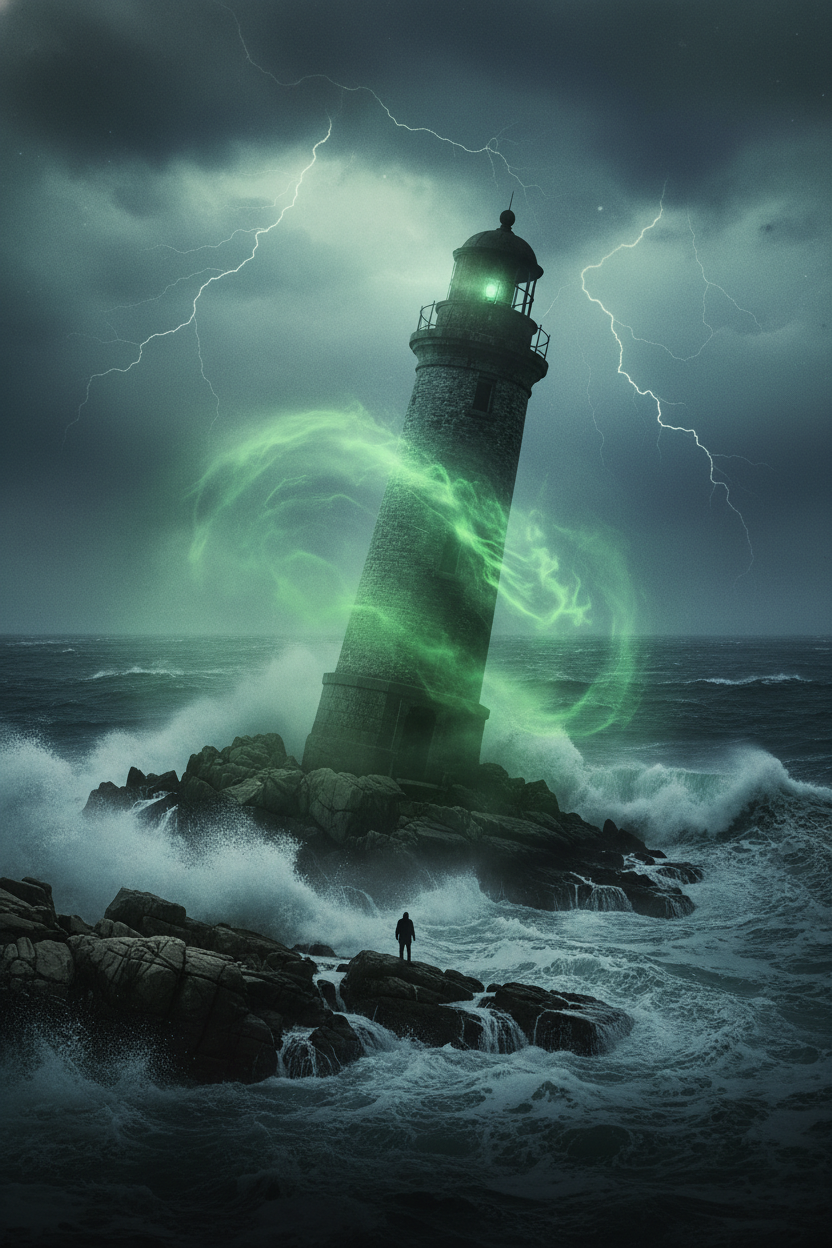
Abandoned houses, eerie silence, stormy nights, unsettling shadows, and suspense-filled cinematic atmosphere.
Turn a rough film idea into a cinematic poster with a fast AI movie poster workflow.
Copy and customize these prompts to create cinematic movie posters with different moods, genres, and visual styles.
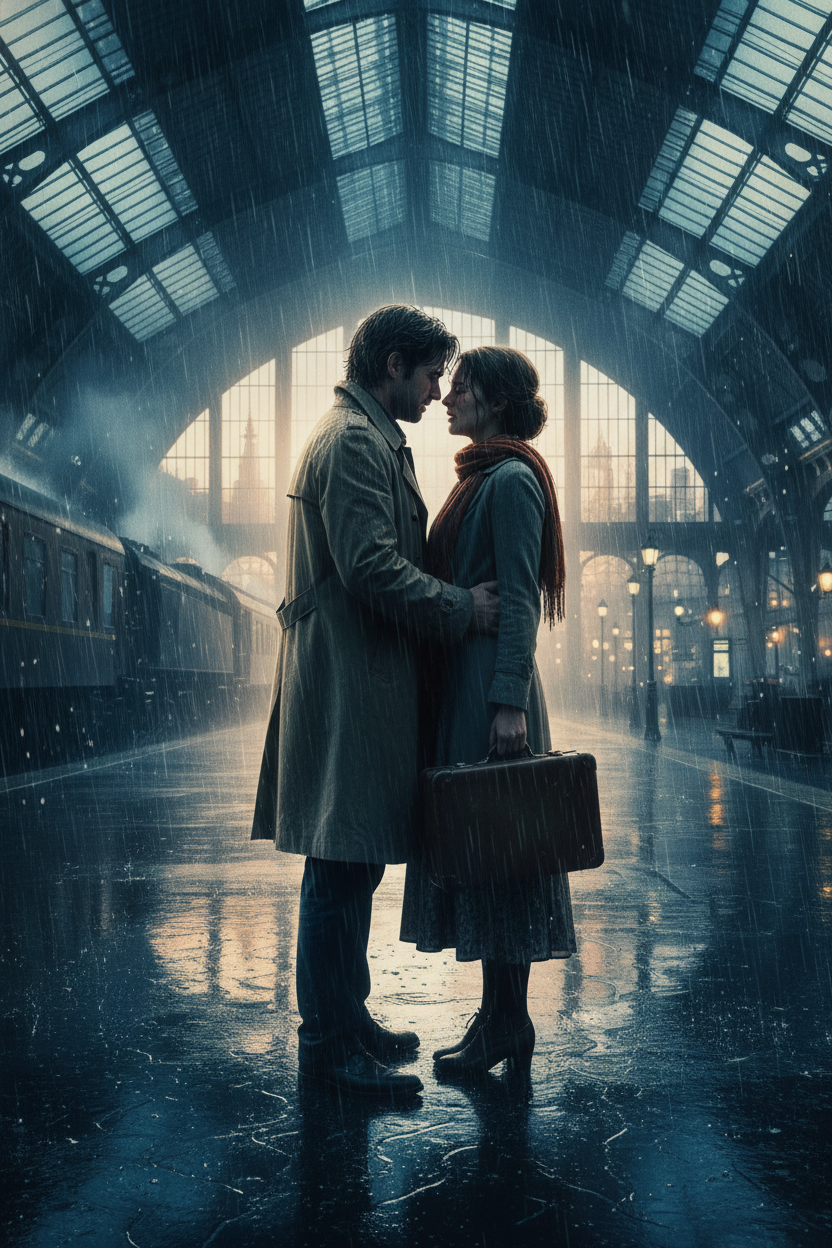
A romantic movie poster of two strangers meeting for the last time at a rainy train station, glowing reflections on wet pavement, soft blue and amber lighting, emotional cinematic mood, realistic film photography, no readable text
Romantic Movie Poster
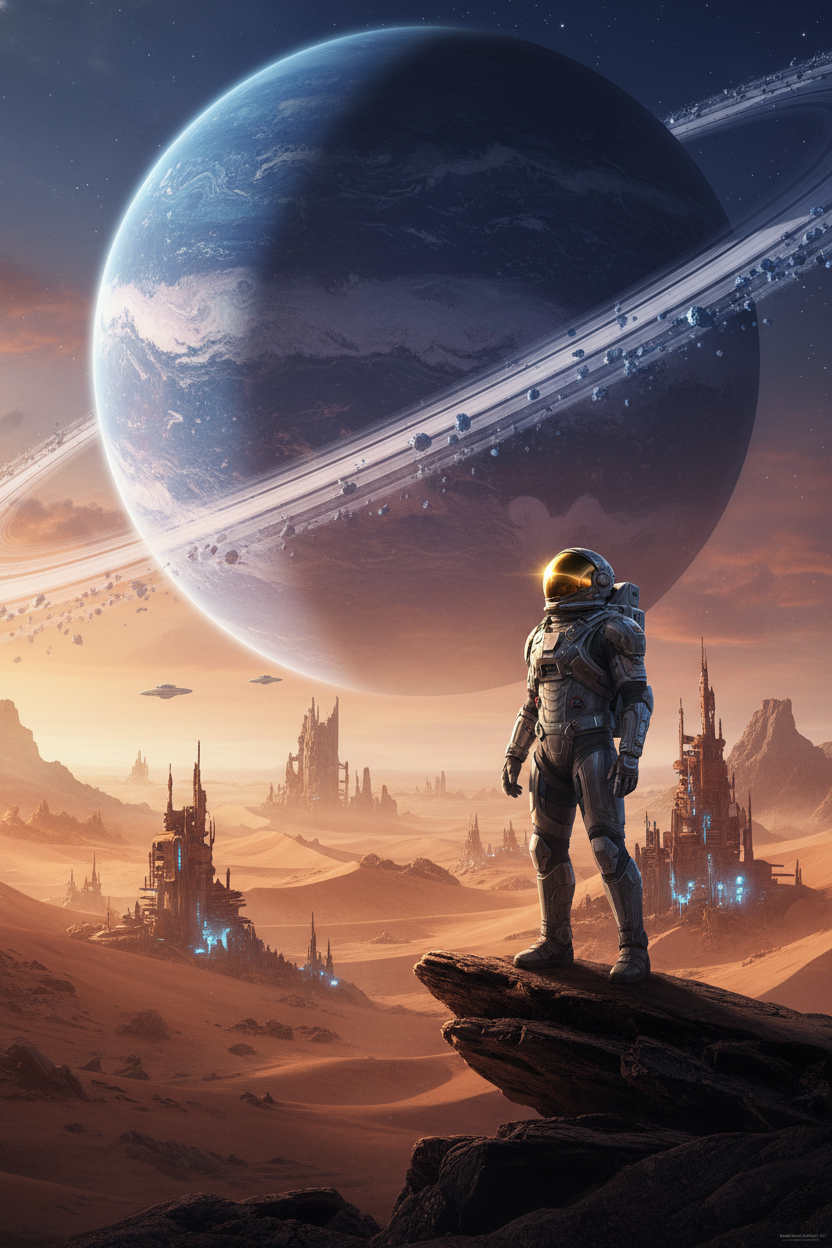
A cinematic sci-fi movie poster featuring a lone astronaut standing before a massive ringed planet above a desert landscape, futuristic ruins, atmospheric haze, epic scale, dramatic cinematic lighting, no readable text
Sci-Fi Movie Poster
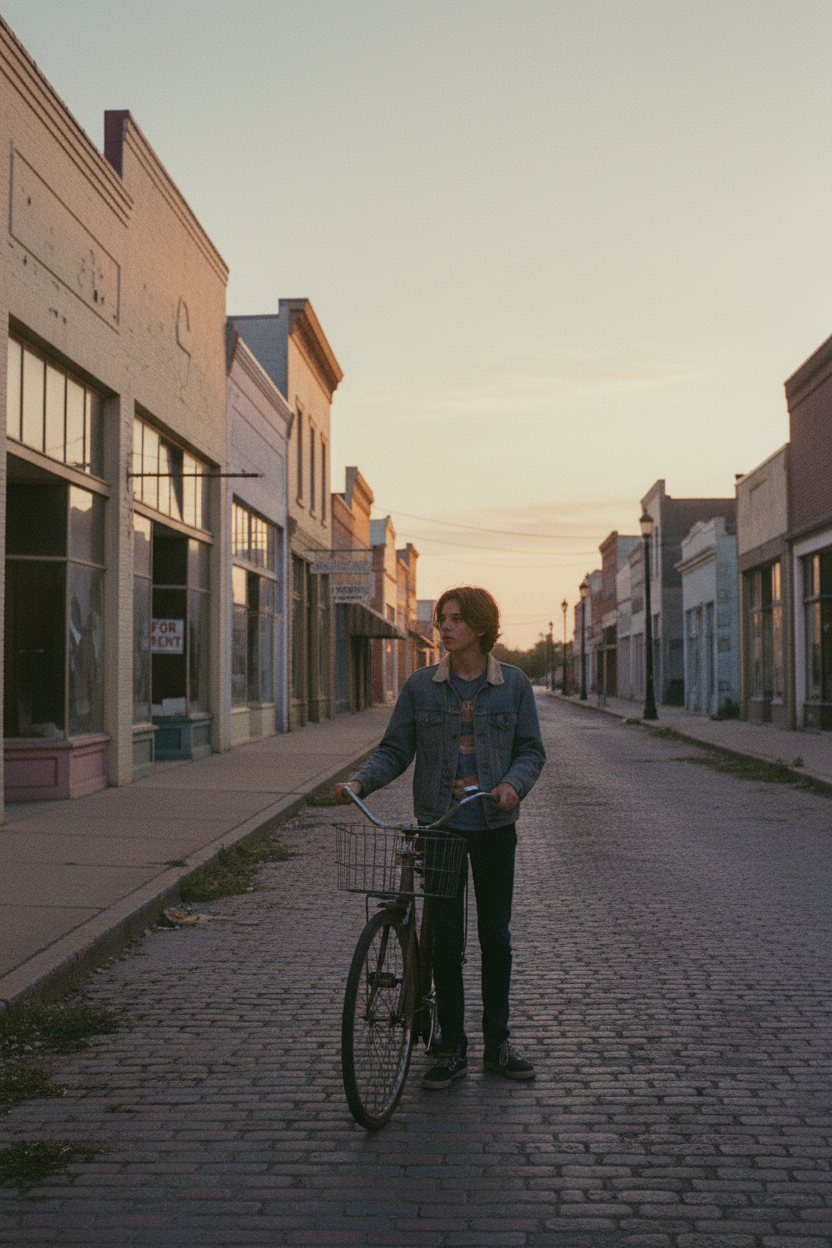
An indie movie poster of a quiet small town street at sunset, one teenager standing beside an old bicycle, faded summer colors, empty storefronts, warm film grain, intimate character-driven atmosphere, cinematic realism, no readable text
Indie Movie Poster
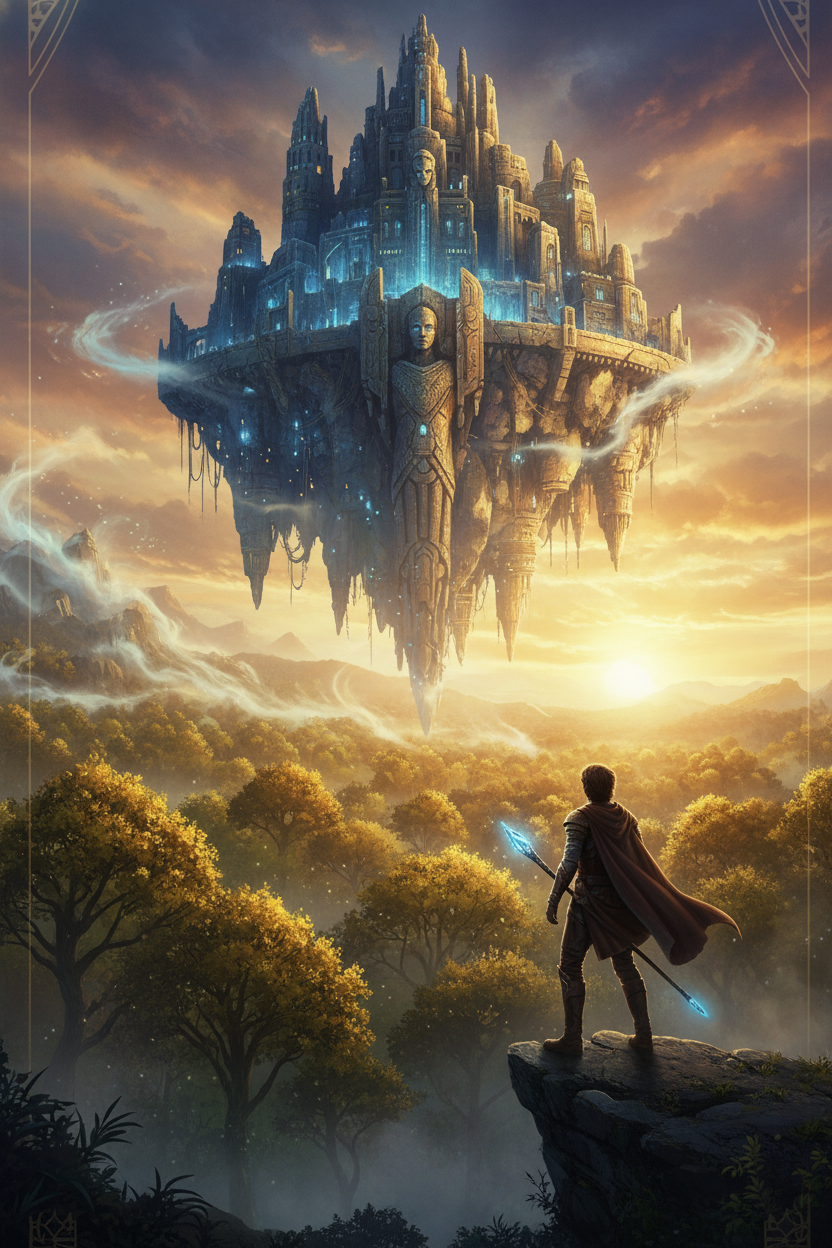
A fantasy movie poster showing a floating castle above an ancient glowing forest, a young hero standing on a cliff, magical mist, golden sunrise, epic adventure mood, rich cinematic detail, no readable text
Fantasy Movie Poster
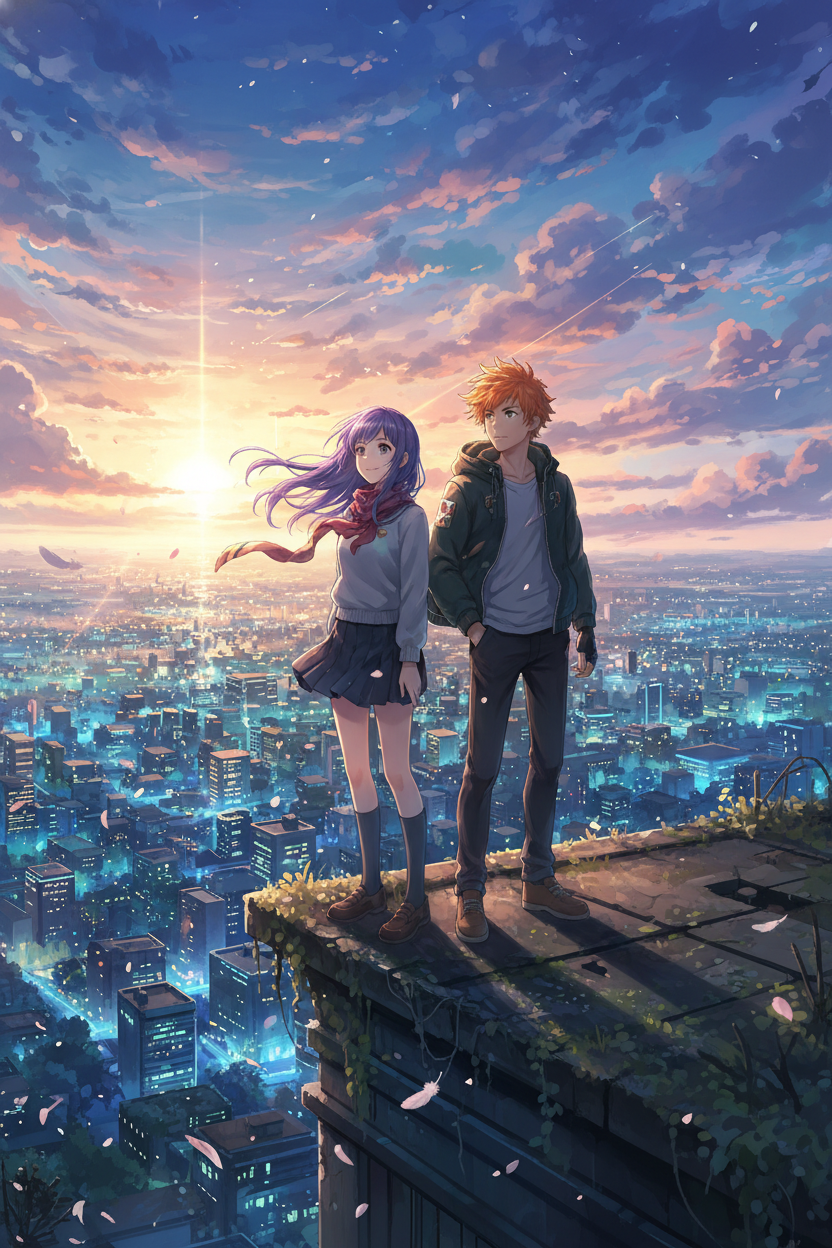
An anime movie poster of two friends standing on a rooftop above a glowing city before sunrise, vibrant colors, emotional sky, wind-blown hair, dreamlike atmosphere, cinematic anime composition, no readable text
Anime Movie Poster
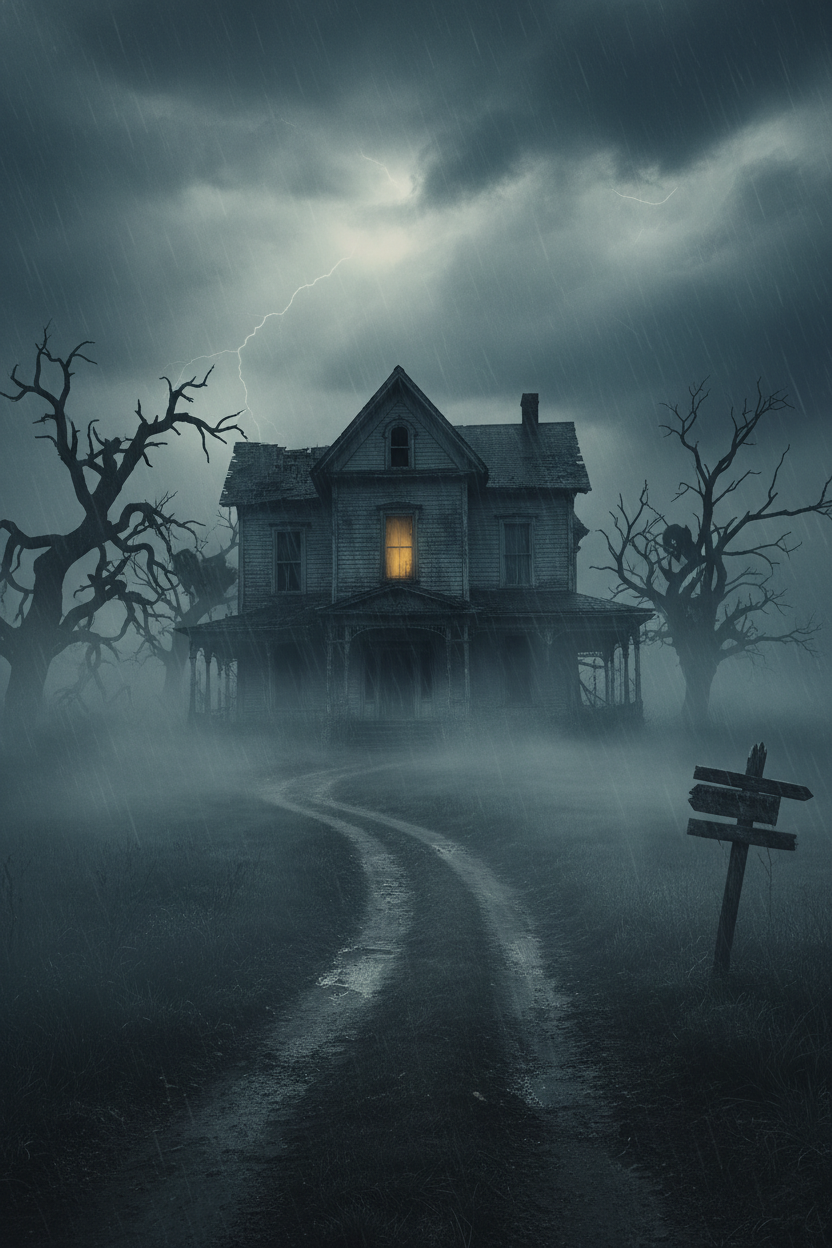
A horror movie poster of an abandoned house at the end of a muddy road during a stormy night, one dim window glowing, twisted trees, heavy fog, unsettling shadows, suspenseful cinematic atmosphere, no readable text
Horror Movie Poster
Small prompt choices can make your poster feel more cinematic, cleaner, and easier to finish.
Generate the poster art first, then add the final movie title, credits, and logos in a design tool.
Include genre, subject, setting, mood, lighting, and composition so the image has a clear direction.
Vertical ratios like 2:3, 3:4, and 4:5 usually feel closer to real movie poster formats.
A clean no-text version is easier to polish, crop, and reuse across thumbnails or campaign assets.
Upload a reference image when you want more stable characters, subjects, style, or visual continuity.
Avoid protected characters, official movie logos, celebrity likenesses, and copyrighted artwork unless you have permission.
Helpful notes for creating cinematic poster concepts with clearer prompts and safer publishing decisions.
You should avoid copying official movie titles, characters, logos, celebrity likenesses, or protected artwork unless you have the rights. The tool is best for original ideas and concept exploration.
AI may create typography-inspired shapes, but exact readable text is not always reliable. For production posters, add final titles, credits, and logos in a design tool.
Include genre, premise, subject, setting, mood, lighting, color palette, camera framing, and composition. Clear prompts usually create stronger poster concepts.
Yes. Use image-to-image mode to guide the poster around a subject, scene, or visual direction while transforming it into a cinematic poster concept.
Commercial use depends on the generated content, uploaded references, model terms, and whether the result includes protected IP or likenesses. Review rights before publishing.
Movie posters commonly work well in vertical ratios such as 2:3, 3:4, or 4:5. You can also use square or widescreen ratios for social and video promotion.
Start with a genre, logline, character, or scene and turn it into a cinematic poster concept.